
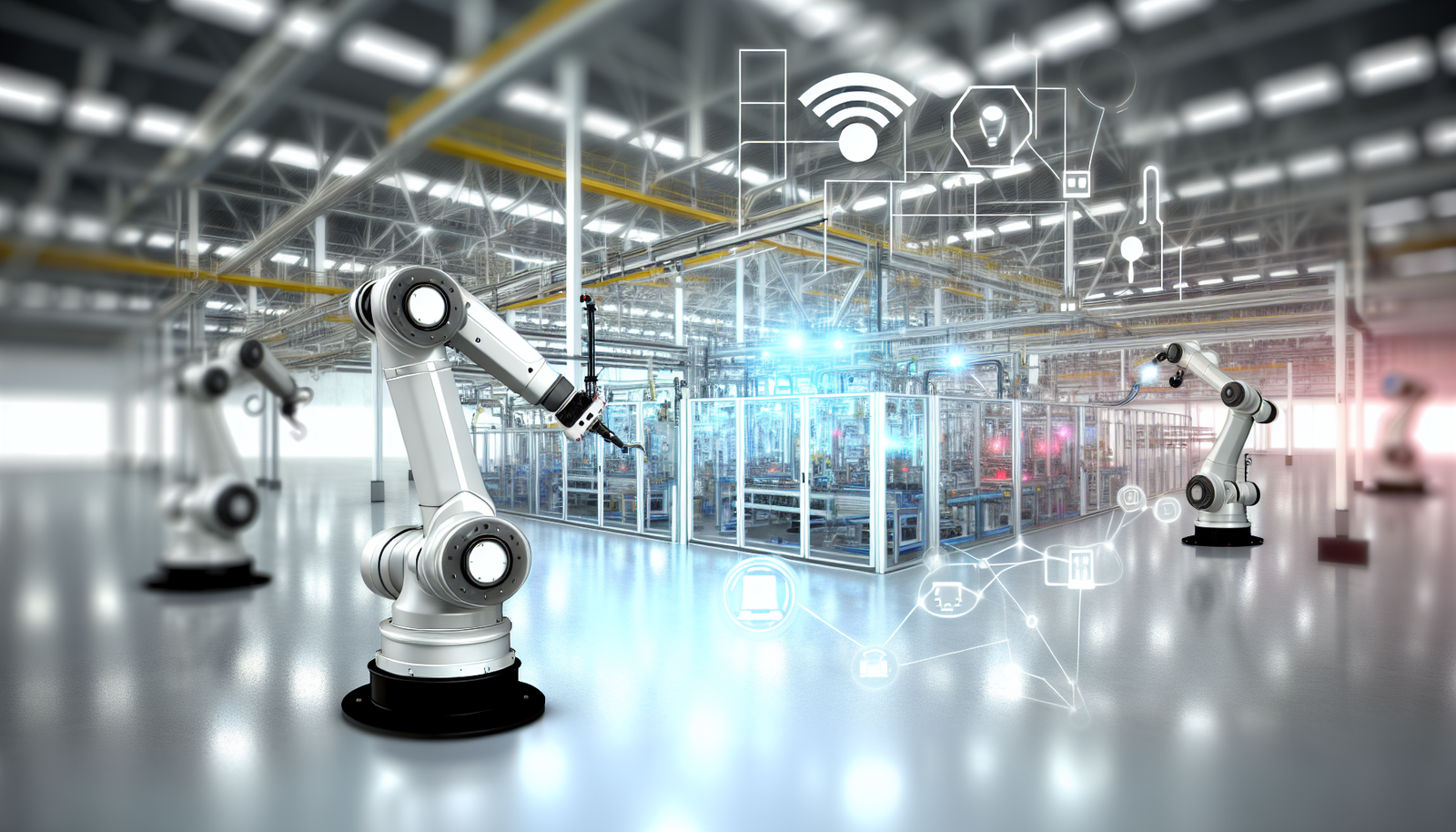
The manufacturing landscape is undergoing a seismic shift with the advent of digital transformation. This article delves into how the synergy of cutting-edge technologies enhances efficiency, fosters innovation, and reinvents production processes.
The Foundations of Manufacturing’s Digital Shift
The Foundations of Manufacturing’s Digital Shift
The historical arc of manufacturing has bent sharply towards innovation, particularly through the adoption of digital technologies. This transition from traditional, labor-intensive methods to a digital and automated paradigm—often tagged as Industry 4.0—marks a significant evolution in how goods are produced, optimized, and delivered. At the heart of this transformation is the shift from analog to digital processes.
This journey began with the digitization of manufacturing tools, a step that moved the industry beyond manual controls and visual inspections to programmable logic controllers (PLCs) and computer numerical control (CNC) machines. These advancements laid the initial groundwork for a more comprehensive digital transformation by introducing elements of automation and precision that were previously unattainable.
However, the real momentum for this shift gained with the adoption of the Internet of Things (IoT), Artificial Intelligence (AI), and machine learning technologies. IoT devices started to pervade the manufacturing landscape, allowing machines to connect and communicate with each other and with central control systems. This connectivity not only facilitated real-time monitoring and adjustments but also generated vast amounts of data that could be harnessed to improve efficiency, reduce downtime, and predict maintenance needs.
AI and machine learning have further amplified these benefits by providing the tools necessary to analyze this data, learn from it, and make intelligent decisions. These technologies have enabled predictive analytics, where machine learning models predict failures before they occur, and prescriptive maintenance, where AI suggests the most efficient maintenance strategies.
Together, these foundational elements have paved the way for smart factories—manufacturing environments where digital technologies drive greater efficiency and productivity. The transition towards these interconnected, data-driven industrial landscapes represents a conceptual and practical leap, one that replaces linear, isolated operations with dynamic, integrated processes. This evolution not only promises enhanced operational efficiency but also brings forth new business models and opportunities for innovation, thus marking the true essence of Industry 4.0.
Overcoming Barriers and Harnessing Enablers for Digital Success
Building on the foundational shifts towards Industry 4.0, manufacturers embarking on digital transformation journeys often face formidable challenges, chief among them being change management hurdles, the weight of legacy systems, and cultural resistance within the organization. Navigating these obstacles is crucial for embracing the full spectrum of opportunities presented by smart factories in the modern industrial arena.
Change management hurdles arise as organizations strive to align their current operations with new digital strategies. The transformation requires not just the integration of new technologies but also a fundamental change in processes, workflow, and mindset. Successful navigation through these hurdles demands strong leadership commitment to guide the organization through the transition, paired with clear communication and engagement strategies to ensure that all stakeholders are aligned and committed to the change.
Legacy systems, entrenched in the operational fabric of manufacturing entities, pose significant challenges due to their inherent incompatibility with agile, cutting-edge technologies that drive digital transformation. Overcoming this barrier often requires a strategic approach to technology integration, where legacy systems are gradually replaced or integrated with modern solutions through middleware or custom APIs, ensuring operational continuity while transitioning towards more flexible and efficient digital systems.
Cultural resistance to change is perhaps the most nuanced barrier, rooted in the human element of digital transformation. Shifting from familiar processes to new, digitally enabled operations can spark apprehension among the workforce. Overcoming this resistance involves fostering a culture that values continuous learning, innovation, and adaptability. It requires leaders to champion the benefits of transformation, ensuring that the workforce is not only prepared through upskilling and reskilling initiatives but also motivated by the potential for enhanced job satisfaction and growth opportunities.
Core enablers that facilitate a successful digital transformation include:
– Organizational resources: Allocating financial, technological, and human resources effectively is crucial for supporting transformation initiatives.
– Workforce upskilling: Preparing the workforce for the future of manufacturing includes significant investments in training and development programs focused on digital skills, problem-solving, and adaptability.
– Advanced technology adoption: Embracing IoT, AI, machine learning, and other transformative technologies is essential for leveraging the capabilities of smart factories.
– Creating a data-centric culture: Infusing data-driven decision-making into the organizational DNA enables enhanced insights, operational efficiency, and innovation.
Manufacturers can navigate these challenges effectively by fostering a strategic approach that prioritizes phased implementation, continuous learning, and employee engagement. Transitioning towards smart factory capabilities involves embracing change not as a singular project but as an ongoing journey of improvement and adaptation. Practical advice for manufacturers includes starting with pilot projects to demonstrate value and build momentum, focusing on workforce engagement and development as integral to the transformation process, and leveraging partnerships and ecosystems to access the necessary technologies and expertise. By understanding and addressing these challenges head-on, manufacturers can unlock the potential of digital transformation and position themselves competitively in the new industrial landscape.
Measuring the Impact: Benefits and Case Studies
Building on the foundation of successfully navigating the obstacles of digital transformation and harnessing its enablers, we now explore the profound impact that digitalization has wrought within the manufacturing sector. The tangible benefits of this seismic shift are not just promising; they are palpable across various metrics such as operational efficiency, supply chain transparency, and increased productivity. Furthermore, digital transformation has undeniably enabled manufacturing enterprises to respond with agility to market changes, thereby securing a competitive edge in the industry.
One of the most significant outcomes of digital transformation in manufacturing is the leap in operational efficiency. By integrating Internet of Things (IoT) devices, artificial intelligence (AI), and machine learning (ML) technologies, factories have transitioned into ‘smart’ facilities that can predict maintenance needs, reduce downtime, and streamline manufacturing processes. A case in point is Siemens’ Amberg Electronics Plant in Germany, which boasts a remarkable defect rate of just 12 per million, despite producing over 950 different products. The plant’s digitalization efforts have allowed for real-time monitoring and optimization of production processes, translating to efficiency and quality improvements.
In terms of supply chain transparency, digitalization facilitates an unprecedented level of visibility across the entire value chain. GE Aviation, for example, implemented a digital twin model for its supply chain, enabling the company to simulate production schedules, inventory levels, and logistics, even in the face of material shortages or demand fluctuations. This not only optimized GE Aviation’s supply chain operations but also improved its ability to meet customer delivery timelines, enhancing overall customer satisfaction.
Productivity gains from digital transformation are equally impressive. By harnessing data analytics and automation, manufacturers can significantly reduce manual labor and eliminate bottlenecks. An illustrative example is the global technology company, Bosch, which reported saving hundreds of hours of manual labor by implementing autonomous robots in their factories, alongside connected devices and data analytics to streamline operations.
Moreover, the agility afforded by digital transformation allows enterprises to swiftly adapt to market changes and customer demands. The automotive industry, for instance, has been revolutionized by 3D printing, enabling companies like BMW to produce parts on demand and reduce inventory waste. This agility not only meets the evolving expectations of consumers but also positions the companies well ahead of their competitors.
In conclusion, the digital transformation in the manufacturing sector heralds a new era of efficiency, agility, and productivity. Through strategic investment in digital technologies and the cultivation of a data-centric culture, as discussed in the previous chapter, manufacturing companies are not just surviving; they are thriving, setting new benchmarks for the industrial revolution’s next chapter. These case studies underscore the immense potential and the realized benefits of embracing digitalization in manufacturing, charting a course for others in the industry to follow.
Conclusions
Digital transformation in manufacturing signifies a profound evolution, improving processes from the ground up. Integrating advanced technologies not only bolsters productivity but also catalyzes innovation, firmly positioning businesses for success in the digital age.